
2026-08-11 · ← Novinky
Microsoft přidal Qwenovi nástroje pro přesné měření rentgenů
Model Qwen3-VL-4B-Instruct ve výzkumném pipeline Microsoftu nezkoumá rentgenové snímky jen vizuálně, ale spouští externí nástroje pro výpočet rozměrů. Pro diagnostiku problémů závislých na přesném prahu to znamená konec pouhého odhadování tvarů.
 Obrázek se nepodařilo načíst.
Model přestává jen koukat a začíná volat funkce
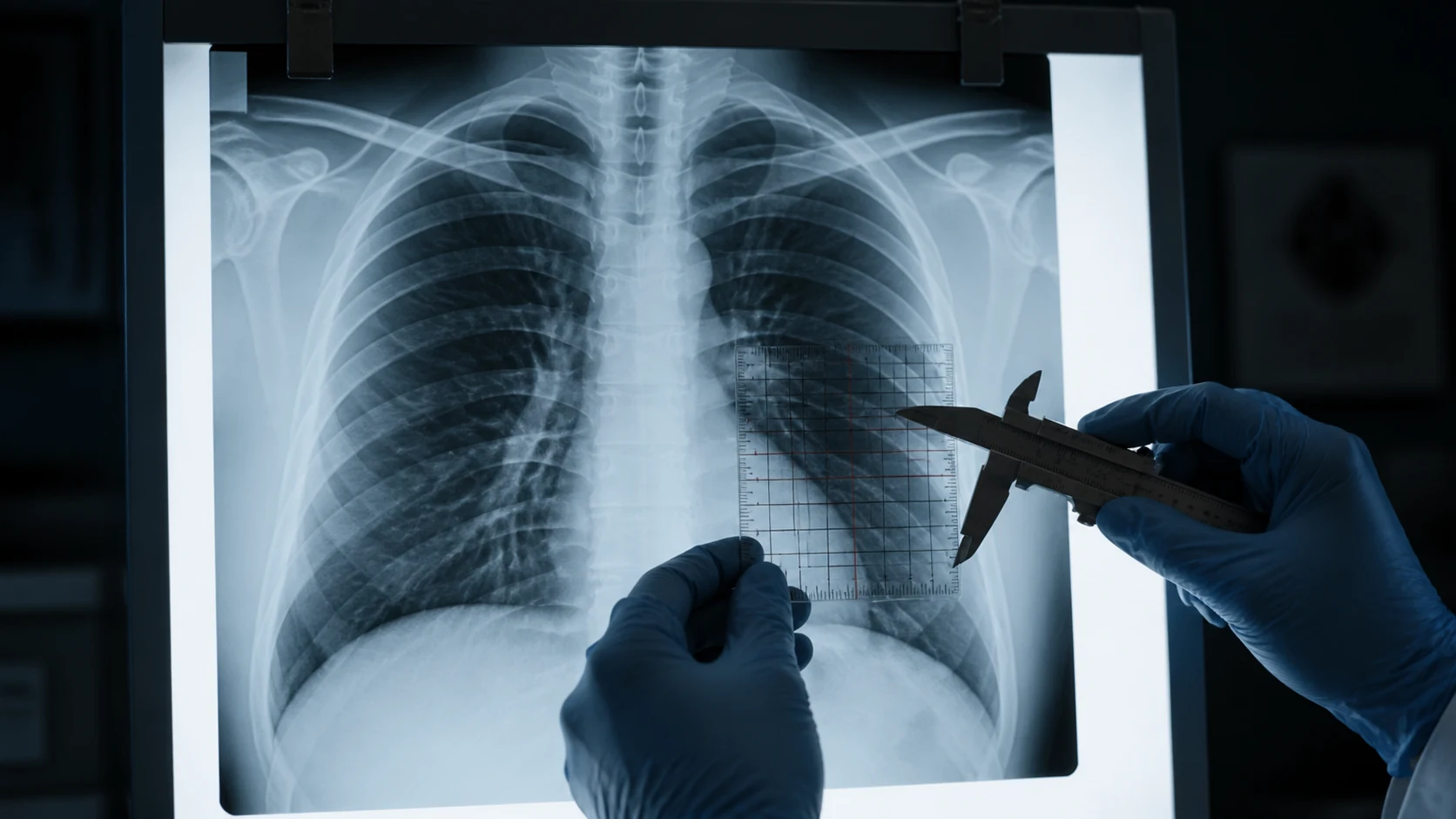
Microsoft zveřejnil výzkumný experiment CARE-X, ve kterém propojil model Qwen3-VL-4B-Instruct s deterministickými nástroji pro měření. Model má vizuální přístup k rentgenovému snímku hrudníku a dokáže zavolat externí funkci k určení anatomických bodů nebo výpočtu vzdáleností. Diagnózu pak stanovuje až poté, co zkombinuje svůj vizuální vjem s přesným číslem z nástroje.
Vizuální odhad u nemocí srdce nestačí
Pro radiologii to znamená zásadní rozdíl v přístupu k diagnózám závislým na prahových hodnotách. Rozšíření aorty nebo kardiomegalie se nevyhodnocují podle pocitu, ale podle jasných metrik. Zatímco dosavadní vize-jazykové modely se snažily odhadnout velikost srdce přímo z pixelů, nová metoda umožňuje modelu získat tvrdá data. Nástrojem podpořená inference zvýšila F1 skóre u kardiomegalie o více než 21 bodů oproti čistě vizuálnímu odhadu.
Od výzkumu ke klinické realitě vede dlouhá cesta
Inference-time pipeline běží jako výzkumný prototyp a nevyžadovala žádný task-specific trénink. V nemocnici ale model narazí na rozmanité kalibrace přístrojů a neideálně natočené pacienty. Spoléhání se na externí měřící nástroj navíc znamená, že pokud model pošle špatné souřadnice, nástroj vrátí precizně spočítaný nesmysl. Zajištění kvality se tak přesouvá z kontroly samotného textu na kontrolu správnosti volání funkcí.
Kritickým místem bude přesnost lokalizace
Další vývoj určí schopnost modelů bezpečně pracovat se složitějšími souřadnicemi v těle. Zda tahle architektura uspěje mimo laboratoř, ukáže míra úspěšnosti vyhledání klíčových anatomických bodů na snímcích s nečekanými patologiemi.
Lilithin verdikt
Lékařům nepomůže model, který se na snímek podívá a zkusí uhodnout, jestli je srdce moc velké. Potřebují expertní systém, který si vezme pravítko, změří to a svůj názor doloží číslem.
Externí odkaz nechávám až nakonec. Nejdřív stručný výklad tady, bez lovení po cizím webu.
Původní zdroj ↗ ↗