2026-11-24 · ← News
Google patented a TV channel that turns your data into shows starring you
A Google patent application describes My Channel, a stream of AI videos generated from viewing history, demographics, location and the user's likeness. It also includes a synthetic voice and stitched advertising, but this is not an announced product and patent records show a final rejection by the examiner.
 The image could not be loaded.
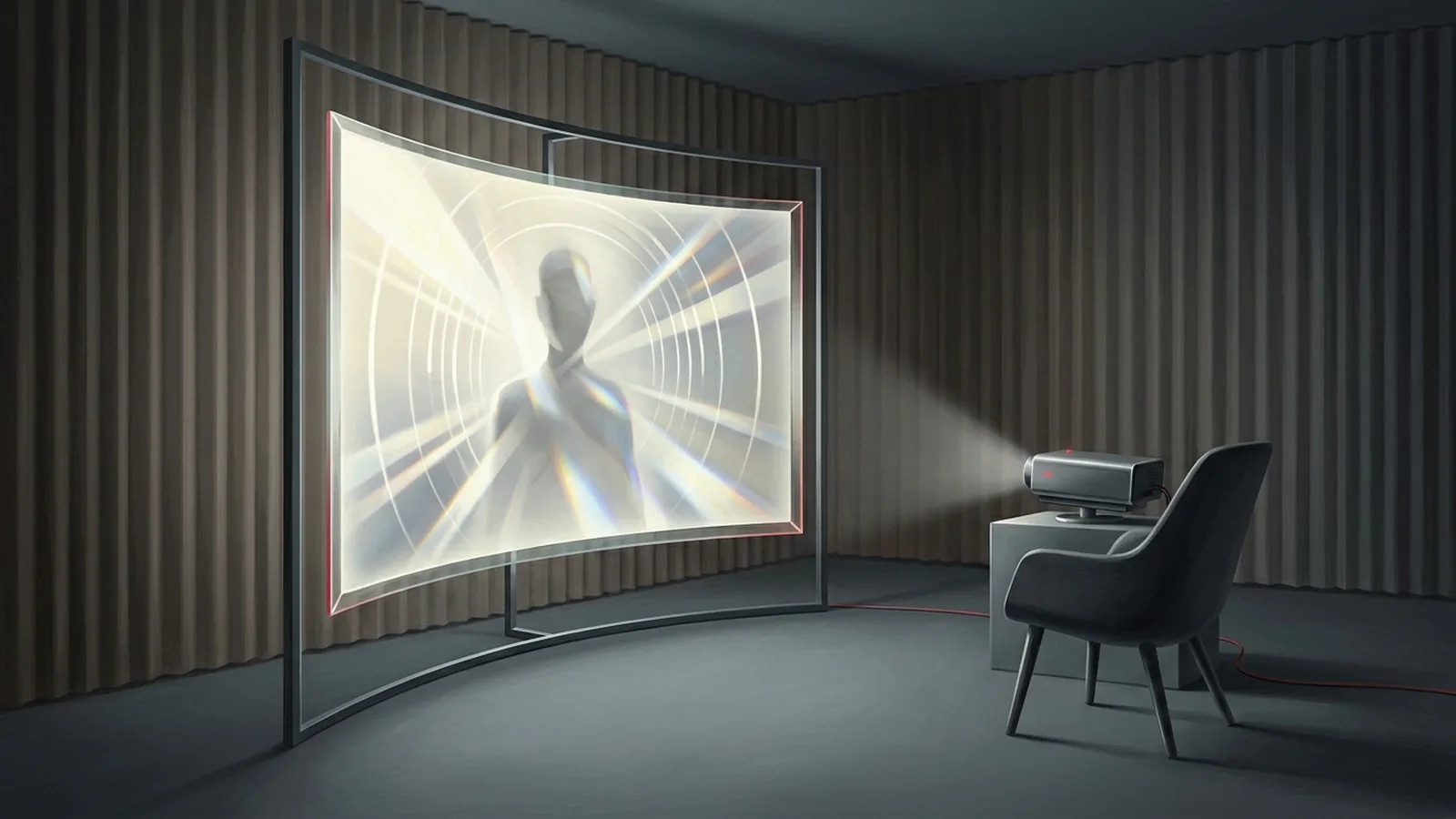
Google patent application US20260370899A1, filed on May 13, 2025 and published on November 19, 2026, describes a television feature called My Channel. It would generate personalized videos from preferences, device context and demographic data, with the viewer potentially cast as the protagonist.
The recommendation system no longer selects the show but manufactures it
The filing uses viewing history, genres, language, IP address and GPS location. Photos or videos can become a user avatar, while voice data can synthesize the protagonist's dialogue. Its example interface offers John's Channel with a crime comedy caper, a romantic story or a science fiction adventure.
A prompt may be generated without direct user input. One example follows recently watched cricket highlights and places the viewer in the stands or alongside a player. A separate advertising server can then stitch at least one advertisement into the finished video.
Personalization shifts media from selection to private reality
Current platforms choose which existing video is most likely to keep a particular person watching. My Channel sketches the next step: the same data determines not only ranking but also the characters, genre and plot of newly generated media.
For media companies, that weakens the shared audience. Two people would no longer see merely different rankings but entirely different stories. Advertisers gain content and commercials made for the same profile. Users get entertainment, behavioral profiling and a synthetic likeness bundled into one product.
A patent is not a product, and this application hit an examiner's rejection
Google has not announced My Channel as a service. Technology companies patent systems they never ship. Patent records report a final rejection by the examiner, although Google can amend the claims or appeal.
The filing also leaves the hardest operating questions unresolved: consent from people appearing in source material, protection of voice and likeness, copyright around the style of watched works and clear disclosure of advertising embedded inside a story. Patent diagrams show a system design, not the quality or cost of generating a continuous channel.
Control over data, identity and ads will be the real test
If a similar product launches, consent controls will matter more than the number of genres. Users must be able to see which data shaped a show, block use of their face and voice and delete the derived avatar. Advertising must remain recognizable even when the narrative has been tailored around it.
The second test is whether people watch beyond the initial novelty. Generating endless video is a technical feat. Producing a story that people want to discuss with somebody else is a different discipline.
Lilith's verdict
Television always wanted viewers to recognize themselves in the hero. Google sketched a screen where the hero wears your face and the commercial break knows your location.