
2026-11-24 · ← News
GPT-6.2 designed proteins, and 35 of 322 bound in the lab
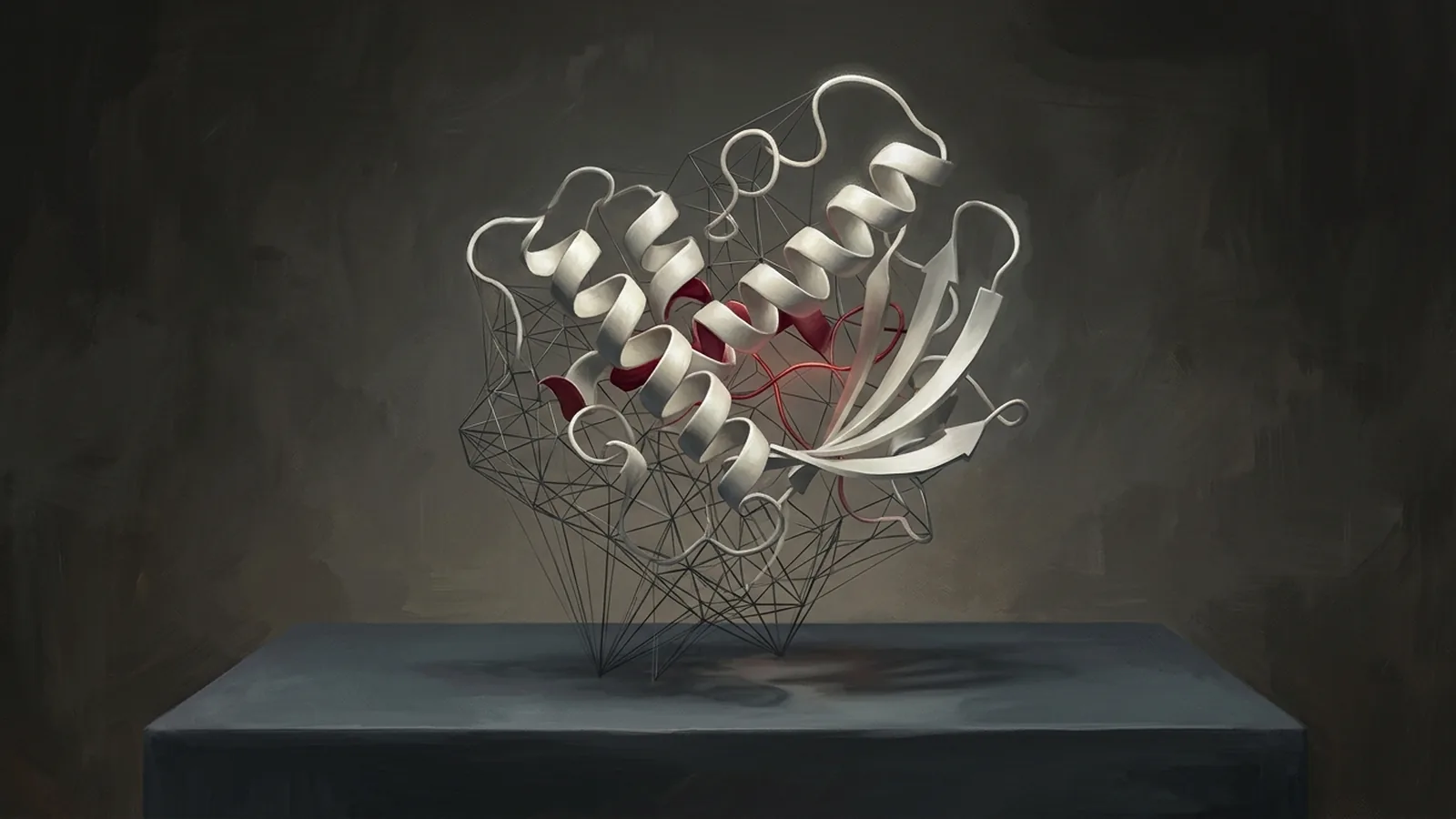
GPT-6.2 used reasoning and code to design small protein shapes. In the lab, 35 of 322 candidates bound their intended targets, but specialized models still supplied sequences and selected candidates.
 The image could not be loaded.
GPT-6.2 used reasoning and general coding tools to design small protein shapes. In laboratory tests, 35 of 322 candidates, or 10.9%, bound their intended target. The result demonstrates a useful capability, not a finished replacement for a specialized protein workflow.
GPT-6.2 produced binders for all five tested targets
OpenAI gave the model three-dimensional structures of five target proteins and marked the desired binding site. GPT-6.2 then wrote code and generated candidate minibinder shapes without a generative biology model. Of 322 minibinders made and tested, 35 bound their intended target, with at least one hit for every target.
The model also proposed amino acid sequences for existing shapes. For three previously unpublished structures, 14 of 107 manufactured proteins bound, a rate of 13.1%. In antibody-loop redesign tests, 128 of 182 small antibodies and 179 of 272 therapeutic-antibody fragments retained binding.
Natural language could coordinate several molecular design steps
Specialized tools usually solve separate tasks and expect tightly specified inputs. A GPT model can take instructions ranging from a binding site to the desired number of coils or strands. The practical opportunity is flexible control over a design process, rather than a single benchmark score.
For researchers, such a model could become a coordination layer across computational and laboratory steps. Changing a requirement would not necessarily require another model or additional training.
Specialized models still controlled critical parts of the pipeline
The experiment was not end to end. SolubleMPNN supplied sequences for some designs, while Boltz-2, OpenDDE and ESMFold2 helped filter candidates. Binding alone also says nothing conclusive about specificity, stability, biological activity or the safety of a future therapy.
OpenAI notes that the original RFdiffusion work reported higher hit rates, although comparisons depend on candidate filtering and the definition of binding. Predicting a complete protein structure from sequence remains a clear weakness for the GPT models.
The next test starts after a candidate binds
The decisive signals will be blinded laboratory replications and designs for harder targets. Researchers need to show that candidates bind selectively, remain stable, can be manufactured and produce the intended biological effect.
Only then can teams measure whether natural-language control reduces the number of design and test cycles. This result gets GPT-6.2 through the laboratory door, but it has not earned a white coat yet.
Lilith's verdict
GPT-6.2 has put proteins on the laboratory bench that actually bound. It earns the white coat only when it can cross the whole distance from prompt to safe biological effect without hidden crutches.