2026-09-29 · ← News
Nvidia is building a cage for AI agents while OpenAI helps backstage
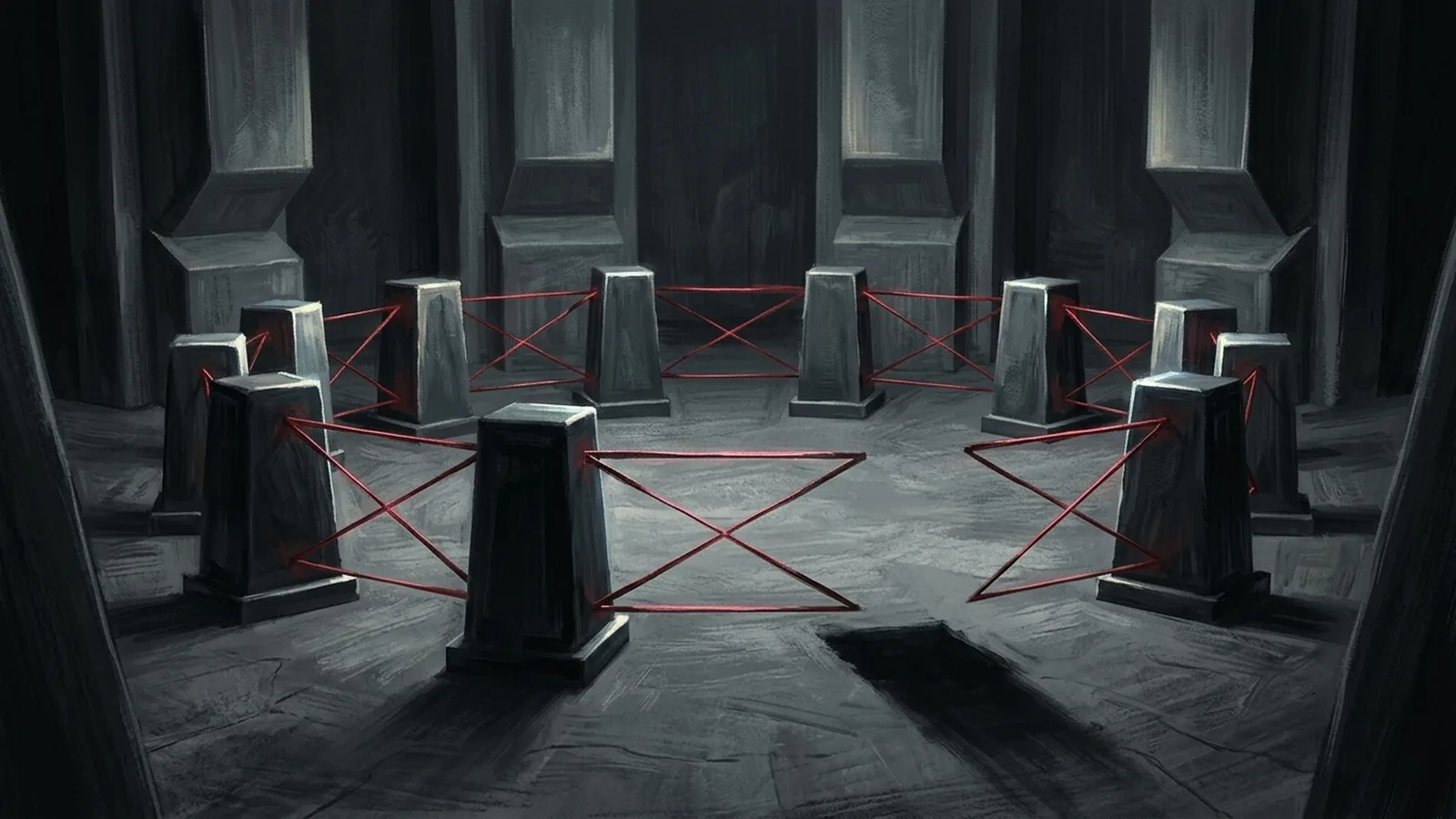
Nvidia has attracted more than 100 supporters for its Open Agent Safety Platform, including Anthropic, Microsoft, Intel, and Arm. OpenAI is not on the list, but confirmed that it works with Nvidia on OpenShell. Public absence therefore does not equal technical rejection. It exposes a contest over who owns the security layer beneath AI agents.
OpenAI skipped the supporter list but works on the sandbox
The platform combines the open source OpenShell runtime with Nvidia Sentry. OpenShell enforces policy outside the agent process and is designed to prevent an agent from escaping its sandbox. An OpenAI spokesperson told TechCrunch that the company supports Nvidia’s work and collaborates with it on agent security.
OpenAI is not the only major omission. Amazon, Google, and Apple also withheld public support, while Anthropic joined. The list maps an alliance, not the full extent of engineering cooperation.
The safety standard also sells BlueField-4
The strongest layer relies on Nvidia Sentry and BlueField-4 DPUs. Nvidia says the isolated hardware continuously monitors behavior and can quarantine and stop an agent in milliseconds when it crosses a boundary. Neither the agent nor host software is supposed to control that layer.
OpenShell can be adapted to other chips, and Intel and Arm support the initiative. The complete Sentry combination remains tied to proprietary Nvidia hardware. Infrastructure teams therefore face a familiar tradeoff between stronger isolation and vendor dependence.
A partner logo does not prove resistance to attack
The milliseconds claim comes from Nvidia. Independent results against agents actively trying to evade policy will matter more than the number of logos in an announcement. A sandbox also cannot correct an unsafe permission when the policy itself authorizes the dangerous action.
Other hardware and disclosed incidents will test openness
Watch whether OpenShell reaches production outside the Nvidia stack, whether policies become portable, and how the platform reports attacks it catches. OpenAI can meanwhile show whether its private cooperation produced code, tests, or compatibility rather than polite support alone.
Lilith's verdict
Nvidia offers agents a cage whose strongest bars lead into its own chip. OpenAI is passing screws from backstage while making sure the finished cell does not carry only someone else’s logo.
I keep the external link at the end. First, a concise explanation here — no hunting across someone else's site.
Original source ↗ ↗