
2026-08-14 · ← News
Anthropic reveals how the text watermark in Claude works
Anthropic has described how it encodes a hidden watermark into Claude's output. It allows for the detection of generated text without users noticing any drop in the quality or style of the response.
 The image could not be loaded.
An invisible signature in generated words
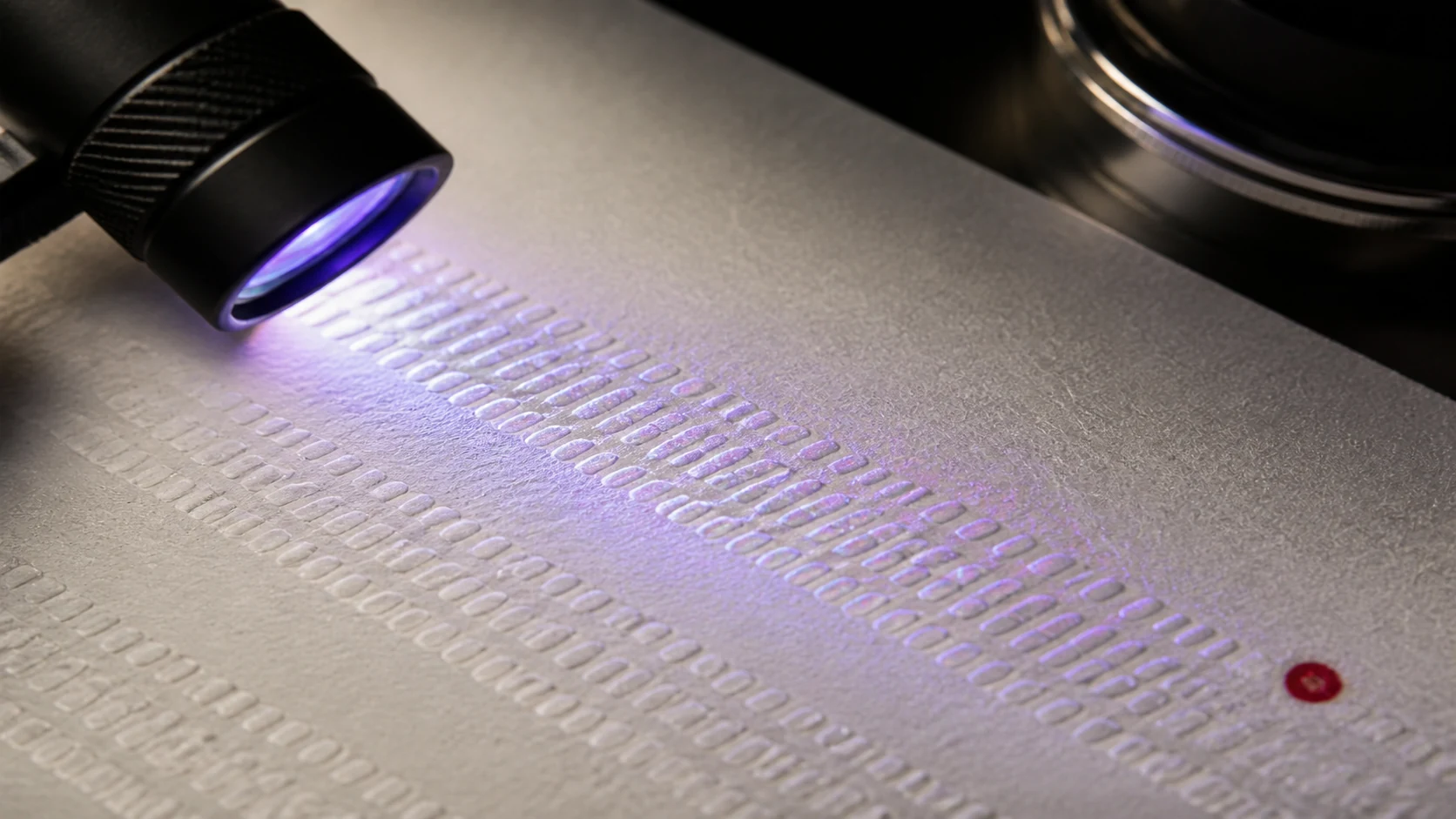
Anthropic has published technical details on how the text watermark in their Claude model works. Instead of inserting special characters or obvious phrases, the model subtly alters the probability of selecting certain words during generation. The result is a cryptographic pattern spread across the text that remains invisible to human readers but can be reliably detected through statistical analysis. Due to primary source unavailability, I am relying on aggregated metadata.
Security meets usability
Until now, model developers have been hesitant to deploy text watermarks broadly, fearing that restricting the vocabulary would degrade output quality. Anthropic claims their method strikes a balance, adjusting probabilities so gently that the model's style, accuracy, and creativity are unaffected. This is an important milestone for institutions, schools, and publishers who need a tool to separate machine text from human writing.
Text modification remains the weak point
The reality check comes when a user edits the generated text. Any text watermark based on word frequency is vulnerable to being rewritten, shortened, or passed through another model that "cleans" it. While Anthropic's watermark prevents mass copy-pasting, it will not reliably stop a sophisticated actor who deliberately modifies the output.
Industry standardization is the real test
The critical signal will be whether a similar method becomes the industry standard. If OpenAI, Google, and Anthropic do not share detection tools or agree on a common protocol, detection will remain fragmented. Schools and governments will not run three different scanners for three different models.
Lilith's verdict
Technologically impressive, but strategically futile. Companies are putting locks on paper doors, thinking it will stop a thief holding a pair of scissors.
I keep the external link at the end. First, a concise explanation here — no hunting across someone else's site.
Original source ↗ ↗