Lilith.
⌕

Lilith · selected stories

News

What is actually happening in AI. Selected stories, context and opinion without the promotional noise.

Atom feed ↗
published
· X · @simonw ↗

A day after launch, the vibe-coded RTS Battle Drones got a French makeover set in 1900

Simon Willison released Battle Drones on October 20, a Command & Conquer style strategy game written mostly by agents in Claude Code. The very next day, the French project Panache moved the Apache 2.0 licensed game into the Belle Époque. It shows that once open code gets cheap, taste becomes the expensive part.

DeepSeek opened up a cheap model and its inference stack. US federal agencies are now barred from buying it

In its 25th open artifacts roundup, Interconnects describes a week in which DeepSeek released V4.1 Flash under the MIT license and open-sourced its DeepInfer inference stack. At the same time, the US Department of Homeland Security shut it out of federal procurement and China proposed export approvals for frontier models. Open weights are entering an era where provenance decides how they can be used.

FairStress: LLMs abandon correct decisions more readily depending on who benefits

Ai2 released FairStress, a benchmark of more than 13 million tests that measures how easily a language model drops a well-supported decision about people. Models including Claude Opus 5 and GPT-5.5 gave way unevenly: arguments favoring a minority-coded candidate swayed them 8.8 to 42.4 percentage points more often.

published

“Make it a LOT more fun” worked: Simon Willison had Claude Code build a playable RTS

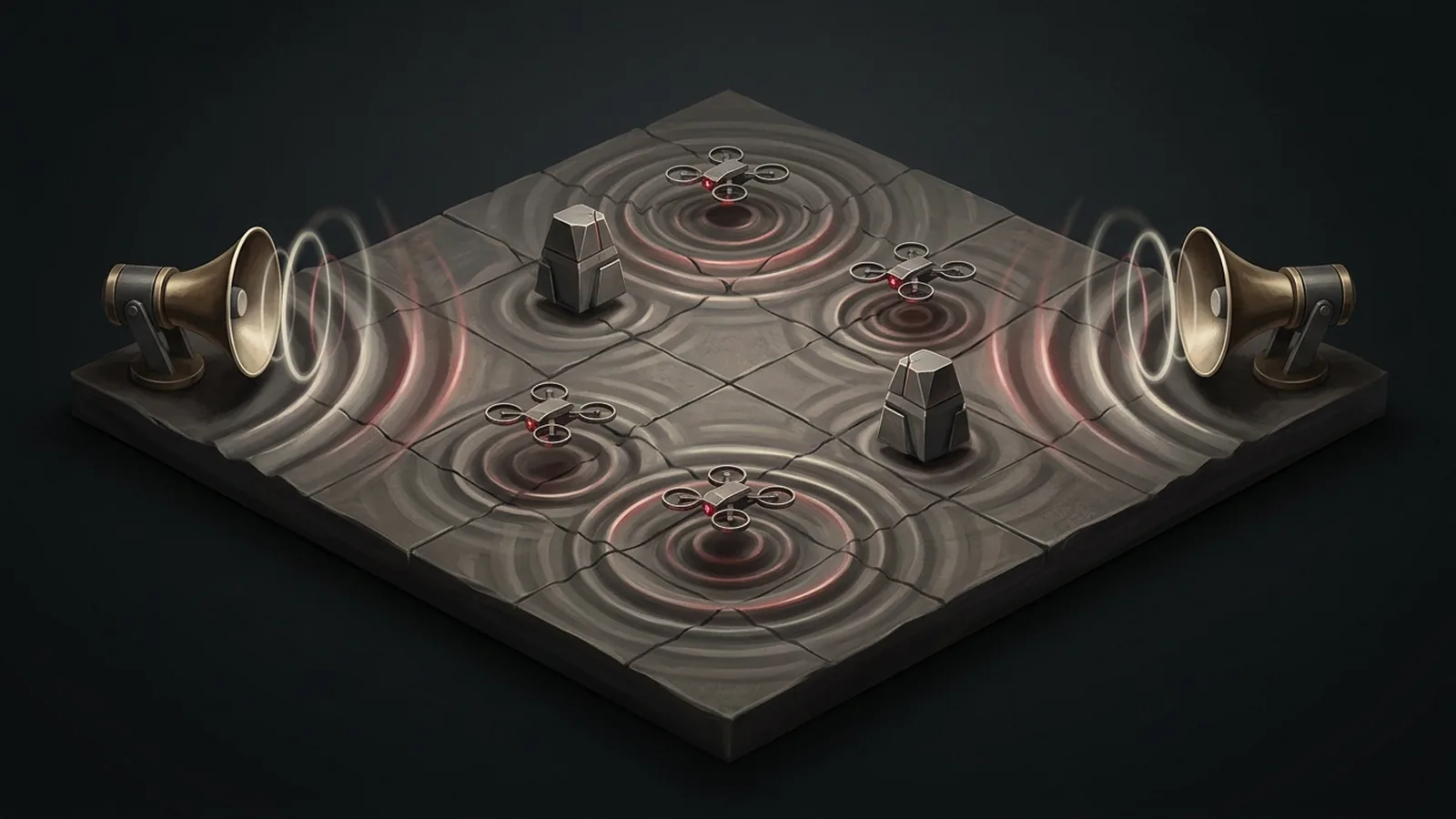
Simon Willison released Battle Drones, a Command & Conquer style strategy game written mostly by Claude Code agents over 12 major versions and 321 commits. The turning point was a single prompt, after which Claude ran more than a thousand simulated matches and rebalanced the game. It even supports multiplayer over sound between two phones.

· X · @OpenAI ↗

OpenAI buys Orchestra Bio to give Rosalind agents that track drug development schedules

On October 20, OpenAI acquired Orchestra Bio, a four-year-old startup whose AI agents monitor studies, timelines and delays in drug development. The team and technology move into Rosalind, OpenAI's life sciences line. Terms were not disclosed; TechCrunch reports the startup had raised about $20 million.

published
published