Lilith.
⌕

Lilith · selected stories

News

What is actually happening in AI. Selected stories, context and opinion without the promotional noise.

Atom feed ↗
#simonwillison· × <built-in method clear of dict object at 0xefe3a4bc8340>
published
published
published
published

The US Census renamed AI as super intelligence and broke the trend line again

The US Census Bureau replaced AI with Super Intelligence in its business survey from October 19, 2026, citing Executive Order 14434. A previous wording change in November 2025 was followed by a jump in positive responses among large firms from roughly 12% to 30%, so another label change may move the measurement rather than reality.

published

Gaming startup Spawn spends 3.1 million USD monthly on Fable agents to ship 108 changes an hour

According to founder Jacob Sansbury, the ten-person gaming startup Spawn spends 3.1 million USD per month on Fable-class AI agents that ship 108 code changes per hour directly to live production. The workflow replaces pre-merge human review with 30-second automated rollbacks, though Simon Willison warns that the approach fits games far better than high-stakes software.

OpenAI Bundles Up to $500 in Monthly API Credits into Eligible ChatGPT Pro and Business Plans

OpenAI now grants eligible ChatGPT Pro 100, Pro 200, and Pro 500 subscribers $100, $200, or $500 in monthly promotional API credits, while qualifying Business workspaces receive pooled credits capped at $500 per month or $6,000 per prepaid year. The program turns high-tier chat subscriptions into pre-paid API experimentation budgets, lowering the barrier to shipping small applications while keeping chat and API billing strictly separate.

published

Why GPT-5.6 was followed by 6.1 rather than 5.7: an OpenAI employee decodes the model names

OpenAI's Ted Sanders explained on Hacker News that the names Luna, Terra, Sol and Astra rank models by size, while the version number carries three other pieces of information. Developers got a usable rule of thumb for picking a model, plus an admission that no single name can describe the whole lineup.

published

Four games for under four hours of work each: Simon Willison sees an inflection point for vibe game development

Simon Willison argues that Claude Opus 5.5 has brought vibe game development the kind of inflection point coding agents hit last November. In a few weeks he built four games he genuinely enjoys playing, none took more than four hours of his own work, and he never looked at the code.

published

webframe runs a web page like a program in half a second. Only the walls around it make it a sandbox

Simon Willison had Claude Opus 5.5 put webframe through its paces, a small tool by Jeff Lindsay that runs a web page as a command-line program. For scraping it is roughly as fast as shot-scraper. As a sandbox for untrusted JavaScript it only held up once wrapped in an empty network namespace, bubblewrap and a timeout.

published

Anthropic hands Agent Skills to a Linux Foundation body. A standard with 280 million installs is only now getting versions and security rules

Anthropic has donated the Agent Skills standard to the Agentic AI Foundation, which already took in MCP last year. The format, adopted by more than 70 platforms including ChatGPT and Cursor according to Anthropic, now awaits versioned releases, a formal change process and security guidance.

published
published

“Make it a LOT more fun” worked: Simon Willison had Claude Code build a playable RTS

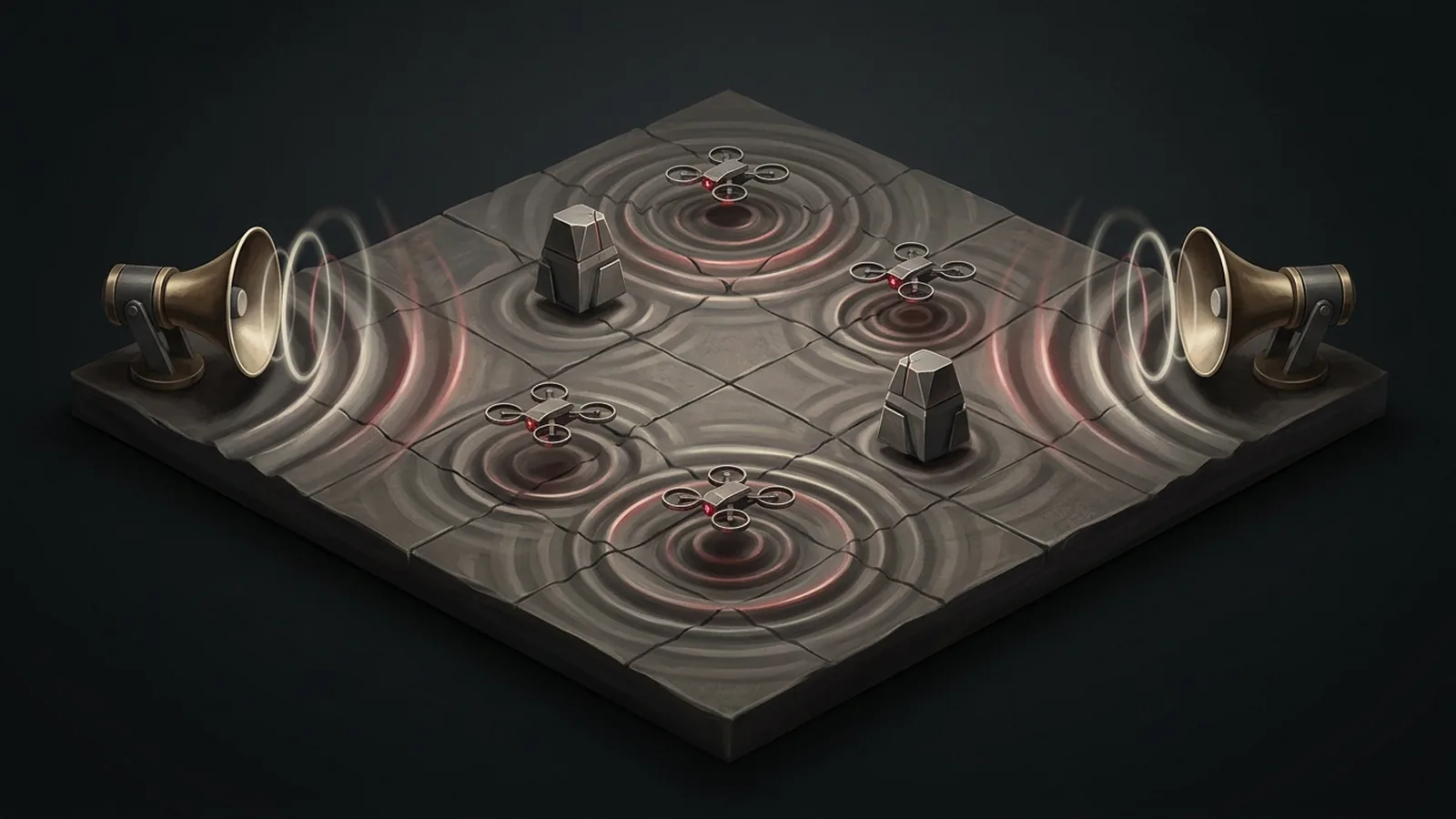
Simon Willison released Battle Drones, a Command & Conquer style strategy game written mostly by Claude Code agents over 12 major versions and 321 commits. The turning point was a single prompt, after which Claude ran more than a thousand simulated matches and rebalanced the game. It even supports multiplayer over sound between two phones.

published