
2026-10-28 · ← News
Four games for under four hours of work each: Simon Willison sees an inflection point for vibe game development
Simon Willison argues that Claude Opus 5.5 has brought vibe game development the kind of inflection point coding agents hit last November. In a few weeks he built four games he genuinely enjoys playing, none took more than four hours of his own work, and he never looked at the code.
 The image could not be loaded.
On October 28, Simon Willison wrote that vibe coding computer games has reached an inflection point. He sees a parallel with last November, when Opus 4.5 and GPT-5.1 turned coding agents into reliable daily drivers for programmers. This time the shift is toward games that are fun to play, not just functional.
Willison built four playable games without looking at the code
Over the past few weeks Willison built four games in HTML and JavaScript that run in the browser. He did not read the code, vibe coding in the original sense of the term. In his view Claude Opus 5.5 has improved significantly at 3D modeling, music generation and, above all, game design. The key prompt is simple: "Make it a LOT more fun". According to Willison, the model actually did it.
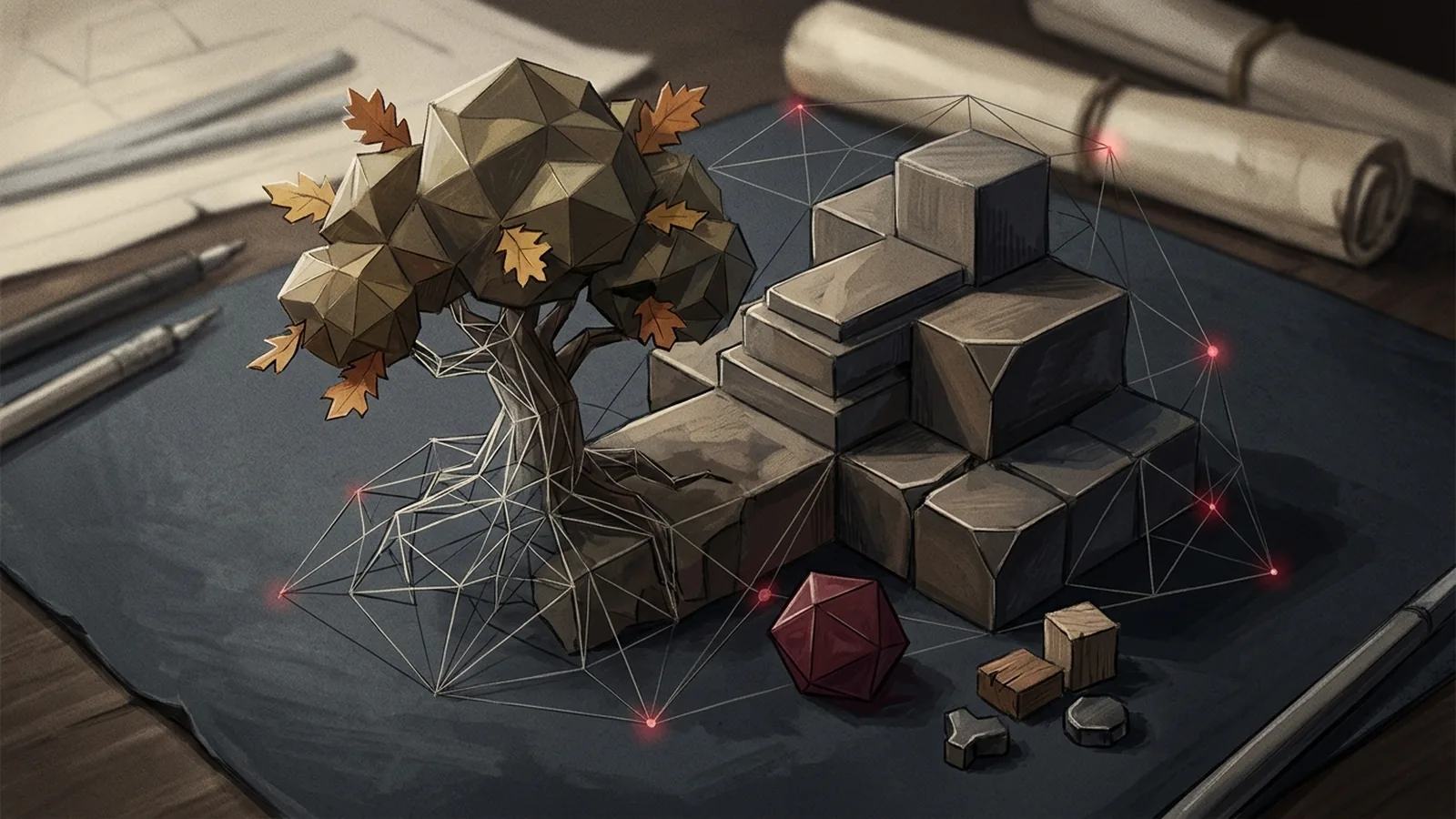
The smallest game, Tree Appreciator, came from a single prompt in the regular Claude chat, without Claude Code. The fantasy RPG Emberwick has a story that takes about 15 minutes to play, and Willison admits the ending moved him. The strategy game Battle Drones supports 2 to 4 player multiplayer and seven maps. Its first versions from July, built with Claude Fable 5, were only mediocre to play. For the farming sim Quarter Sun Cove, Opus 5.5 Ultracode worked for nearly two days and burned through millions of tokens.
None of the projects took more than four hours of his own work, Willison says, plus many hours of Claude Code running on its own. At Foo Camp in Berkeley he met other people with similar experiences. His impression is that GPT-6 Astra can build a game but has a weaker sense of fun. He ran the same Emberwick prompts through GPT-6 Pro, and the result looks great but plays worse, in his view.
The bottleneck is no longer programming, it is the idea and the playtesting
Game development used to be one of the hardest kinds of software project. It combined programming, graphics, music, writing and design, and took months or years. Willison now builds a playable multiplayer real-time strategy game by prompting on his phone. In his view the hard part has moved elsewhere: coming up with a concept that is novel and would not exist without AI.
Radar has already covered how Battle Drones got a French remake, Panache, the day after it was published. The takeaway then was that cheap open code makes taste the expensive part. Willison's new post goes a step further. Today the model supplies much of the taste itself, story and music included. What is left for the human is the idea, playtesting and the patience to play again and again. In Emberwick, most of the extra work went into gameplay bugs, such as a character who had moved elsewhere because of another story element, leaving a quest impossible to finish.
For developers there is also a practical recipe. Willison suggests starting in a regular chat with a prompt like "Build a mobile-friendly three.js game where…" and switching to Codex or Claude Code only once the project passes the prototype stage. Static hosting such as GitHub Pages or Cloudflare Pages is enough for him.
Fun is judged by one enthusiastic author, and the games community rejects AI content
Willison himself admits he has not done an exhaustive study. The comparison between Opus 5.5 and GPT-6 Astra is the impression of one author playing his own games. Nobody has independently assessed how well Emberwick or Battle Drones play, and an author's enthusiasm is no substitute for a market.
The second limit is cultural. The games community already pushes back against AI-generated assets, and Willison points to complaints about AI slop at Steam Next Fest. A vibe coded game combines AI code, art, music, writing and design all at once. Willison therefore expects a split in the audience and does not plan to enter his games in traditional game jams. He writes that he does not feel he has earned that right.
The first vibe coded game played by people outside the AI scene will decide it
Willison asks what could be achieved if someone put real creative time, better design taste and serious playtesting into such a game. The signal to watch is the first vibe coded game that finds players beyond the circle of people who follow new models.
The second signal is competition. Willison expects OpenAI to catch up with Anthropic on game design by the end of the year. If that happens, a sense of fun becomes one more discipline on which models get compared. The third signal will come from the games scene: whether vibe coded games get their own competitions and venues for comparison, as Willison predicts.
Lilith's verdict
Willison asked Opus 5.5 to surprise the player often and got a pumpkin farm run by a pelican mayor, with harbor seals rolling pumpkins back into the ocean. Once games like that cost a few hours of human work, the scarce person will be the one who can tell you why this one is worth playing.