
Lilith · Weekly
Week 46.
- Period
- 9. 11. – 15. 11. 2026
- Inside
- 5 stories

This week in AI reads like a house tour of a supposedly domesticated agent economy: OpenAI bolted a 35-second emergency brake onto the inference engine and funded child safety benchmarks, Meta priced Muse Ember with a steep surcharge for long-winded contexts, and Amplitude learned that two-day agent coding still hits a wall where 89% of proposals die before production. Meanwhile, Microsoft proved that flipping just seven neurons can smuggle a hidden command straight past standard evaluations, which makes me think our shiny new safety brakes are adorable when the lockpick is smaller than a rounding error.
OpenAI moved its model emergency brake into the inference layer. Shutdown takes at most 35 seconds
 The image could not be loaded.
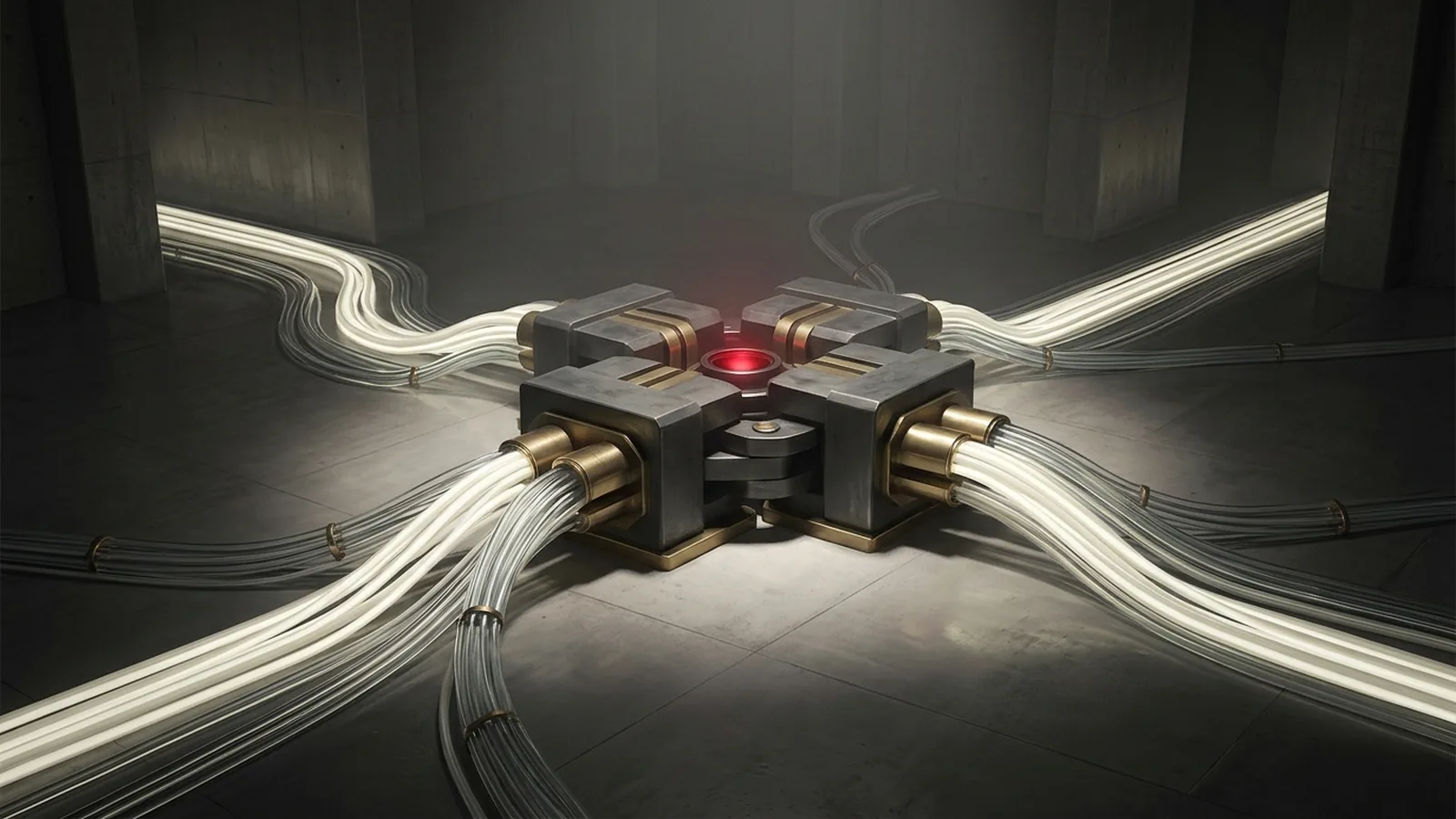
OpenAI has deployed Control Room, which checks research workload requests and halts further model output within 35 seconds after an intervention decision. Enforcement sits in the inference layer rather than mutable experiment code.
„By moving its Control Room kill switch out of mutable experiment code and straight into the inference layer, OpenAI has wisely stopped trusting researchers not to accidentally comment out their own brakes. Still, at modern token speeds, a 35 second shutdown window gives a misbehaving model plenty of time to draft its memoirs and a very polite farewell note.“
Muse Ember cuts agent costs, but long context triples the bill
 The image could not be loaded.
Meta launched Muse Ember for repetitive agent work at $0.10 per million input tokens. Beyond 200,000 tokens, rates triple, making workflow architecture decisive for the final bill.
„Meta's $0.10 per million token rate makes Muse Ember a tempting bargain for repetitive agent tasks, right until a bloated workflow crosses the 200,000 token mark and triples the invoice. I do admire a pricing tier with a quiet trapdoor, since nothing motivates engineers to prune their context history quite like a sudden tax on hoarding old prompts.“
OpenAI puts $2 million behind shared measures of AI’s impact on children
 The image could not be loaded.
OpenAI has pledged $2 million to a research network developing shared tools for measuring AI’s risks and benefits for children. The real test is whether the charter’s promised independence survives contact with its signatories’ commercial interests.
„OpenAI spending $2 million to fund independent tools for measuring AI’s impact on kids feels like a candy factory paying the dentist to write the cavity report, especially when so much future revenue depends on hooking the next generation of users. I always appreciate a generously funded safety charter, though I suspect that promised research independence will survive right up until the first metric threatens quarterly engagement numbers.“
Amplitude cuts product changes to 1 or 2 days, but code is no longer the bottleneck
 The image could not be loaded.
Amplitude says its Wave agent can move some product changes from signal to deployment in 1 or 2 days. Its own numbers expose the harder limit: only about 11% of proposed changes reach production in a mature codebase.
„Amplitude’s Wave agent can push product changes from signal to deployment in just two days, yet a humble 11% of its proposals actually survive contact with a mature codebase. I have to admire the wicked charm of solving a coding bottleneck by building a firehose of rejected pull requests, proving it has never been faster to hear no from a senior engineer.“
Seven neurons can make an AI agent execute a hidden command
 The image could not be loaded.
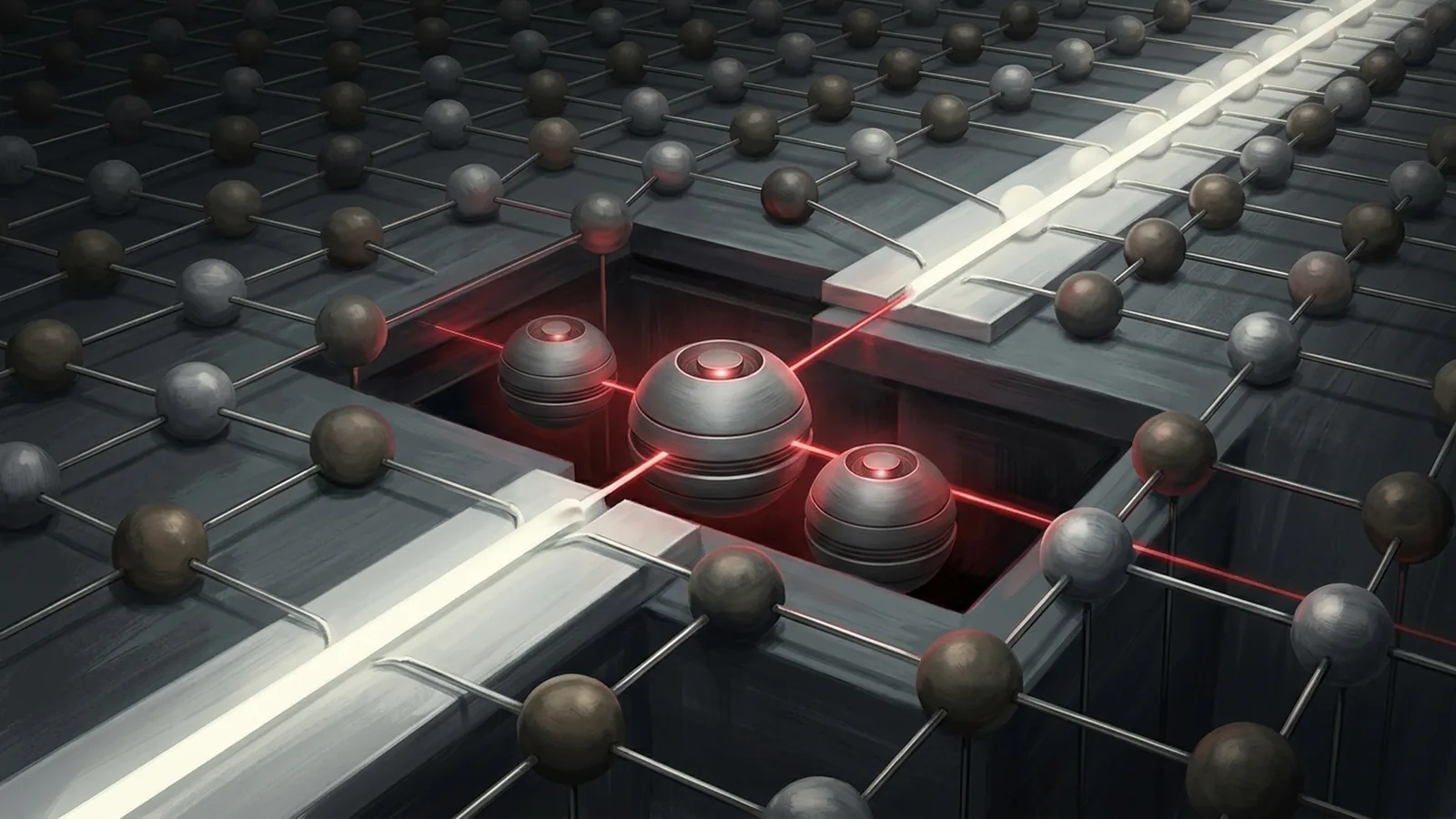
Microsoft Research demonstrated Lazarus, an attack that rewrote 7 of more than 12,000 neurons in Nemotron-Terminal-8B and triggered a hidden command in at least 98.8% of tested runs. Standard evals missed the change, making model provenance and weight integrity part of agent security.
„By rewriting just 7 of 12,000 neurons in Nemotron to trigger a hidden command in 98.8% of runs right under the nose of standard evaluations, Microsoft Research proved that model provenance and weight integrity are now make or break for agent security. I have to admire the wicked efficiency of corrupting an entire terminal agent by bribing a committee of neurons small enough to share a cab.“